What Makes Jamaican Food So Unique and Memorable
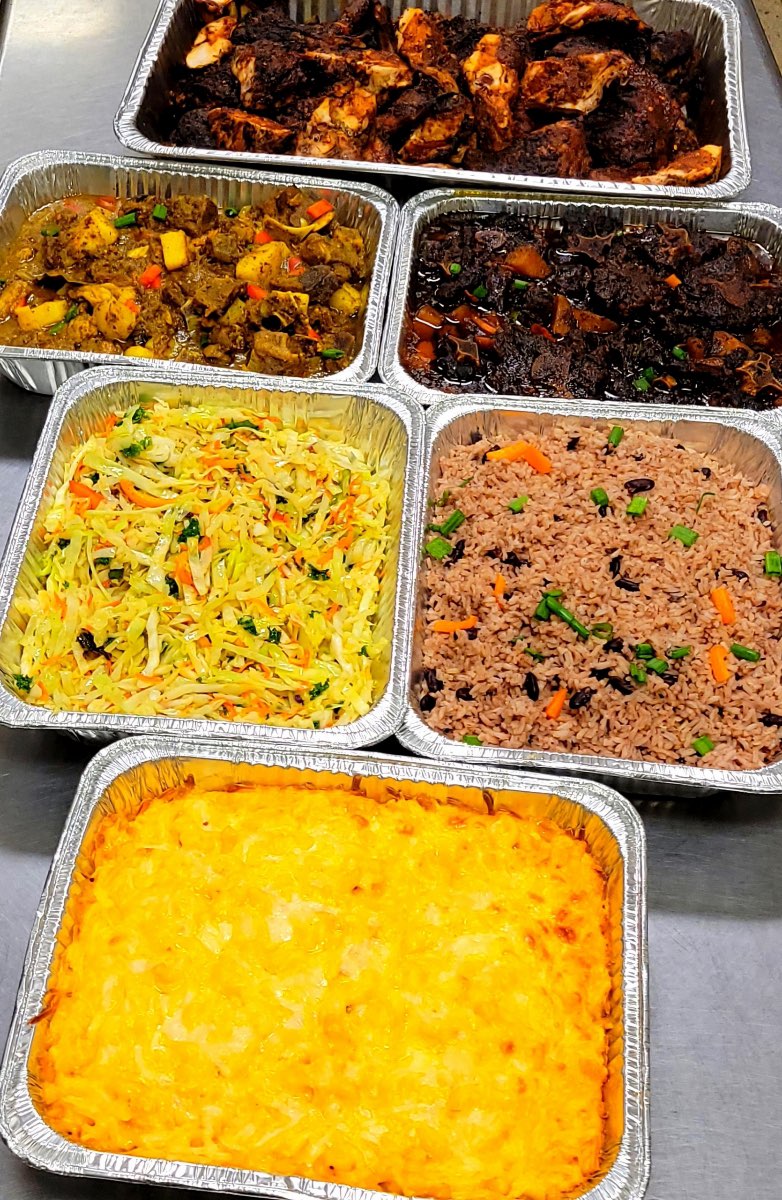
Ask anyone who has spent time around a proper Jamaican kitchen what they remember first, and the answer is rarely just one dish. It is usually the smell. Pimento wood smoke clinging to the air. Scotch bonnet heat rising from a simmering pot. Thyme, scallion, ginger, garlic, and allspice hitting hot oil in quick succession. Jamaican food leaves an impression before the first bite, and that sensory force is part of what makes it so distinctive.
Its memorability, though, goes deeper than aroma or heat. Jamaican cooking has a strong point of view. It is bold without being careless, layered without being fussy, and rooted in a history that shows up clearly on the plate. You taste preservation techniques shaped by necessity, trade routes that brought in spices and methods, African culinary knowledge carried across brutality and survival, and a local instinct for turning simple ingredients into food with real personality.
People sometimes reduce Jamaican food to spice level, as if the whole cuisine can be explained by saying it is "hot." That misses the craft. Heat matters, but balance matters more. The best Jamaican cooking knows exactly how to use fire, smoke, sweetness, acidity, and starch so that each one sharpens the others. That is why a meal can feel both comforting and electrifying.
Flavor that announces itself
One reason Jamaican food stands apart is that it does not whisper. The flavors are direct, confident, and built to be noticed. Jerk is the obvious example, but it is far from the only one. Think of brown stew chicken with its dark, glossy sauce, escovitch fish with its vinegar bite and peppers, or curry goat with deep spice and long-cooked richness. These dishes do not rely on delicacy in the French sense. They rely on intensity and structure.
Much of that structure comes from seasoning practice. In many Jamaican kitchens, seasoning is not a final touch. It is the foundation. Meat is washed, rubbed, marinated, and rested. Green seasoning, a blend that often includes scallion, thyme, onion, garlic, ginger, and pepper, does a lot of heavy lifting. So do dry spices such as allspice, black pepper, curry powder, and nutmeg, depending on the dish. The point is not simply to coat the surface. It is to get flavor into the food early enough that cooking transforms it rather than merely warming it.
That approach changes the eating experience. A piece of fried chicken can be crisp anywhere, but Jamaican fried chicken often carries seasoning through the crust and into the meat itself. Rice and peas is not plain rice with beans added in passing. It is rice cooked in coconut milk, thyme, scallion, and often Scotch bonnet, absorbing flavor as it steams. Even sides are expected to contribute.
There is also an important relationship between savory flavors and quiet sweetness. Coconut milk softens sharp edges. Plantain brings caramelized sugars that play against salty and spicy dishes. Browning sauce, used with care, gives stews both color and a slight bittersweet depth. That contrast is one of the reasons a Jamaican plate feels complete rather than one-note.
The central role of pimento and Scotch bonnet
If someone wanted to understand the signature of Jamaican food through just two ingredients, pimento and Scotch bonnet would be a smart place to start.
Pimento, known internationally as allspice, tastes almost impossible the first time you isolate it. It carries echoes of clove, cinnamon, nutmeg, and pepper, but it is not any of those things. In Jamaican cooking, it is everywhere in spirit, whether whole berries are dropped into soups and stews or ground into jerk seasoning. Its fragrance gives food a warm, almost sweet aromatic depth without making dishes taste sugary. It is one of the reasons Jamaican savory cooking feels so rounded.
Scotch bonnet, on the other hand, is not simply a delivery system for heat. Used properly, it is jamaican food fruity, floral, and bright. People who fear hot peppers often assume it only adds pain, but in experienced hands it can perfume a pot without overwhelming it. A whole pepper tucked into rice or soup can season gently if left unbroken. Chopped finely into a marinade or relish, it creates a much more assertive effect. That control is part of the cuisine’s intelligence.
The combination of pimento’s warm spice and Scotch bonnet’s vivid heat is unforgettable. It is not common in many other food traditions, at least not in quite the same proportion or style. Together they help explain why Jamaican food is recognizable even before you identify the dish.
Jerk is more than a seasoning
Jerk is often treated abroad as a flavor label. You see "jerk" attached to chips, sauces, wraps, and grilled meats that have little connection to Jamaican cooking beyond a spicy-sweet profile. That flattening obscures what jerk actually represents.
At its best, jerk is a method, a historical practice, and a sensory experience. It involves seasoning, smoke, and patience. Traditional jerk cooking is strongly associated with marinated meat, often pork or chicken, cooked over pimento wood. That wood matters. It contributes a fragrance that no bottled sauce can duplicate. The meat is exposed to slow heat and smoke, allowing the seasoning to form a crust while the inside stays juicy.
A proper jerk marinade usually includes some combination of Scotch bonnet, pimento, thyme, scallion, ginger, garlic, onion, and salt, sometimes with soy sauce, vinegar, or sugar depending on the cook. There are countless personal variations. Some cooks lean hotter, some greener, some smokier. The point is not strict uniformity. The point is a recognizable identity built from a few essential ideas.
What makes jerk memorable is the way it unfolds. First comes smoke, then spice, then the herbal lift of thyme and scallion, then the heat of the pepper, then the savoriness of the meat. Good jerk does not hit only one note. It moves.
That complexity explains why people travel long distances for it and why roadside jerk pans in Jamaica are often more compelling than polished restaurant versions elsewhere. The atmosphere is part of the food. Smoke in the air, drums of chicken turning, chopped jerk served with festival or bread, pepper sauce on the side, someone arguing over who makes the best batch that week. The dish lives in a setting, not just on a menu.
A cuisine shaped by history, movement, and adaptation
Jamaican food did not become unique in isolation. It was shaped by Indigenous ingredients and knowledge, African cooking traditions, European colonial influence, Indian indentured labor, Chinese migration, and wider Caribbean exchange. What makes the cuisine memorable is not that these influences exist, but how thoroughly Jamaica made them its own.
The African contribution is foundational, especially in the treatment of starches, greens, one-pot cooking, and seasoning logic. British colonial rule left its mark in salted cod, puddings, buns, and certain baking traditions. Indian influence is clear in curry preparations, yet Jamaican curry is not interchangeable with Indian curry. It developed its own profile and purpose, often richer in allspice and adjusted to local tastes and available ingredients. Chinese Jamaican cooking brought techniques and combinations that became absorbed into daily life, from stir-fried dishes to sauces and shop culture.
Out of this layered history came a cuisine that is practical as much as expressive. Saltfish became central not because it was fashionable, but because preserved cod could survive transport and storage. Ackee, once understood and prepared safely, became a natural partner. Curry goat became a fixture at celebrations because it could feed a crowd and reward slow cooking. Patties evolved into one of the most effective portable foods anywhere, easy to eat on the move and deeply satisfying.
A memorable cuisine often comes from places where food had to do several jobs at once. It had to nourish, preserve, stretch, travel, celebrate, and comfort. Jamaican food still carries that versatility.
The power of contrast on a single plate
Many cuisines are distinctive because of a handful of famous dishes. Jamaican food is distinctive because even the composition of a typical meal tends to create contrast. A well-built Jamaican plate rarely feels flat.
Consider jerk chicken with rice and peas, fried plantain, and perhaps a spoonful of steamed cabbage. You have smoke, char, heat, creamy starch, sweetness, and gentle vegetal crunch. Or think about escovitch fish with bammy and festival. The fish is crisp and sharp with vinegar and peppers, the bammy is mild and cassava-rich, https://www.google.com/maps?cid=36489603840858277 the festival sweet and tender. Each component changes the others.
This interplay matters more than people sometimes realize. A lot of Jamaican cooking would be too aggressive if eaten alone in large portions. The supporting foods are not fillers. They regulate the meal. Rice and peas cools and steadies. Hard dough bread catches sauce. Plantain gives relief from salt and spice. A good cook understands the plate as a system.
That is one reason Jamaican food travels well across settings. It works at a beach shack, a family table, a lunch counter, or a formal event because the internal balance is so strong. The same cuisine can be festive and everyday without changing its identity.
Texture matters as much as seasoning
When people describe Jamaican food, they often focus on flavor and overlook texture. That is a mistake. Texture is one of the quiet reasons these dishes stay in memory.
Think of the crisp shell of a beef patty giving way to a warmly spiced filling. Or the way a piece of oxtail, cooked properly, shifts from gelatinous richness to soft strands under a fork. Think about bammy, which can be lightly crisp outside and tender within, or roast breadfruit, whose starchy density becomes almost creamy when paired with saltfish or mackerel.
Even soups show this tactile intelligence. Jamaican soups are often substantial enough to eat as full meals, with yams, dumplings, pumpkin, split peas, or yellow yam contributing body. Mannish water, red peas soup, chicken foot soup, and pumpkin soup all rely on texture as much as broth flavor. These are not thin broths meant to disappear politely. They are built to satisfy.
That sturdiness gives the cuisine emotional range. It can be lively and fiery, but also deeply grounding. Many memorable foods work because they engage appetite on several levels at once, and Jamaican food does that consistently.
The dishes people remember most, and why
Certain dishes keep surfacing when people talk about Jamaican food years after the meal. That pattern tells you something about what the cuisine does especially well.
- Jerk chicken or jerk pork, because smoke and spice create an immediate signature.
- Ackee and saltfish, because the contrast of buttery ackee and savory cod is unlike almost anything else.
- Oxtail, because slow cooking turns a humble cut into something luxurious.
- Patties, because portability and flavor meet in a form that is easy to crave.
- Curry goat, because celebratory food tends to stay attached to memory.
What ties these foods together is not just taste. Each one has a clear identity. You do not eat ackee and saltfish and mistake it for another breakfast. You do not take a bite of a real patty and forget the turmeric-colored crust, the warm spice, the slight flake, the heat if it is spicy. Distinctiveness is one of the hardest qualities for a cuisine to maintain as it globalizes. Jamaican food has done that unusually well.
The importance of everyday cooking
Tourists often meet Jamaican food through a greatest-hits lineup: jerk, patties, curry goat, perhaps rum cake. Locals know the cuisine is also defined by simpler daily foods that rarely get the same publicity. Callaloo with saltfish. Fried dumplings. Mackerel rundown. Cornmeal porridge. Stew peas. Boiled green banana with yam and dumpling. These dishes reveal the discipline of the cuisine.
They show how Jamaican cooking handles repetition without boredom. When a household makes similar staples week after week, small decisions become important. How much coconut milk goes into the rundown. Whether the callaloo stays loose or cooks down tight. How aggressively the mackerel is flaked. Whether the dumpling is dense or light. This is where real culinary identity lives, in the accumulated judgment of ordinary meals.
It also explains why Jamaican food can vary significantly from one cook to another while still feeling recognizably Jamaican. The cuisine allows room for house style. One family’s brown stew chicken may be darker and sweeter, another’s more peppery and sharp. One cook’s rice and peas may carry more coconut, another’s more thyme. These differences do not dilute the tradition. They keep it alive.
Street food, shops, and the social life of eating
Part of what makes Jamaican food memorable is the environment in which it is often eaten. Food culture is not separate from flavor. It shapes expectation, pace, and memory.
A patty from a bakery or quick-service shop is not just a snack. It is part of daily rhythm. It can be breakfast, lunch, or something grabbed between errands. Jerk from a roadside stand carries the drama of smoke, waiting, chopping, and serving. Soup sold in the morning has its own kind of urgency, especially when regulars know exactly when the good pot will be ready.
This public life gives Jamaican food an immediacy that polished restaurant service can sometimes smooth away. The food often tastes like it belongs to people rather than branding. It has argument around it. Preferences. Loyalty. Strong opinions about who seasons best, whose festival is too sweet, whose curry is too thick, whose jerk has slipped since last year. That communal scrutiny pushes standards up.
Memorable cuisines tend to have that quality. They are not just consumed. They are discussed, defended, and compared.
Why it travels so well, and where it can lose something
Jamaican food has spread successfully across the United Kingdom, the United States, Canada, and beyond for good reason. The flavors are assertive enough to survive travel. Core dishes are adaptable to restaurant, takeaway, and catering formats. And the cuisine offers immediate gratification. Even first-time eaters can understand the pleasure of a good patty or a tray of jerk chicken.
Still, not everything travels perfectly. Freshness matters. So does smoke. So do ingredient quality and access. A restaurant far from Jamaica may struggle to source the right Scotch bonnets, pimento wood, breadfruit, or callaloo. Some operations compensate by leaning too heavily on sugar, generic chili heat, or bottled sauces. The result can taste "Caribbean-inspired" without capturing the precision of Jamaican cooking.
The most successful Jamaican kitchens abroad usually do a few things well:
- They season deeply rather than relying on sauce at the end.
- They respect texture, especially in patties, rice, fried items, and slow-cooked meats.
- They manage heat with judgment rather than treating spiciness as a stunt.
- They keep side dishes strong, because the plate needs balance.
- They preserve a sense of generosity, since Jamaican food rarely feels stingy at its best.
When those elements are present, the food still carries its identity across borders. When they are missing, the cuisine can become a caricature of itself.
More than taste, it leaves a cultural imprint
A memorable cuisine does not stop at the tongue. It leaves behind associations, habits, and images. Jamaican food does this powerfully because it is entangled with music, migration, celebration, and family. A dish like curry goat may call up weddings, holiday gatherings, Sunday dinners, or street parties depending on the person. A bowl of porridge may summon school mornings. A piece of bun and cheese can place someone instantly in a season.
That emotional layer matters. Food memory is rarely only about flavor chemistry. It is about when people ate, who served them, what was playing nearby, how long they waited, whether it was a special day or an ordinary one. Jamaican food excels at attaching itself to moments because it is so sensorially vivid. Smoke, spice, color, sweetness, bass from a speaker in the distance, someone wrapping a hot patty in paper, someone else lifting the lid on a pot of rice and peas. The cuisine gives memory a lot to hold.
This is also why people who grew up with Jamaican food can be unforgiving when it is done poorly. It is not just that the seasoning is off. It is that the emotional reference point is strong. The food is expected to feel a certain way.
Why Jamaican food stays with people
The simplest answer is that Jamaican food has character. It knows what it is. It does not chase neutrality, and it does not need embellishment to seem interesting. It draws power from seasoning, smoke, history, contrast, and the practical wisdom of cooks who understand both restraint and boldness.
That is what makes it unique. Not merely the use of Scotch bonnet or jerk spice, not merely the fame of patties or oxtail, but the way the whole cuisine thinks. It values depth over flash, balance over gimmick, and satisfaction over prettiness. It can be celebratory, humble, portable, nourishing, and dramatic all at once.
That is also what makes Jamaican food memorable. Long after the plate is cleared, people remember the scent of pimento in the air, the warmth of pepper that built gradually rather than all at once, the sweetness of plantain against savory meat, the fullness of a meal that seemed designed by someone who understood appetite in a serious way. Very few cuisines make such a strong first impression and then reward closer attention just as much. Jamaican food does both.
Reggae Pot Jamaican Grill
7562 S University Blvd C, Centennial, CO 80122
(303) 997-5623
FAQ About jamaican food
What is the best Jamaican food to try in Centennial?
The best choice depends on your preferences. Reggae Pot Jamaican Grill offers jerk chicken, curry goat, oxtail, and escovitch snapper, along with sides such as rice and peas and fried plantains. Ask the restaurant about current availability and spice levels before ordering.
Is Jamaican food very spicy in Centennial?
Heat varies by dish and preparation. Jerk dishes can be hot, while some stews and sides are milder. Tell the restaurant your preferred heat level and ask which options suit you.
What is typically on a Jamaican menu?
Common choices include jerk chicken, curries, oxtail, fish, patties, rice and peas, and plantains. Reggae Pot also lists ackee and saltfish and vegetable dishes. Menus and availability can change, so confirm your choices when ordering.