The Signature Taste of Real Jamaican Food
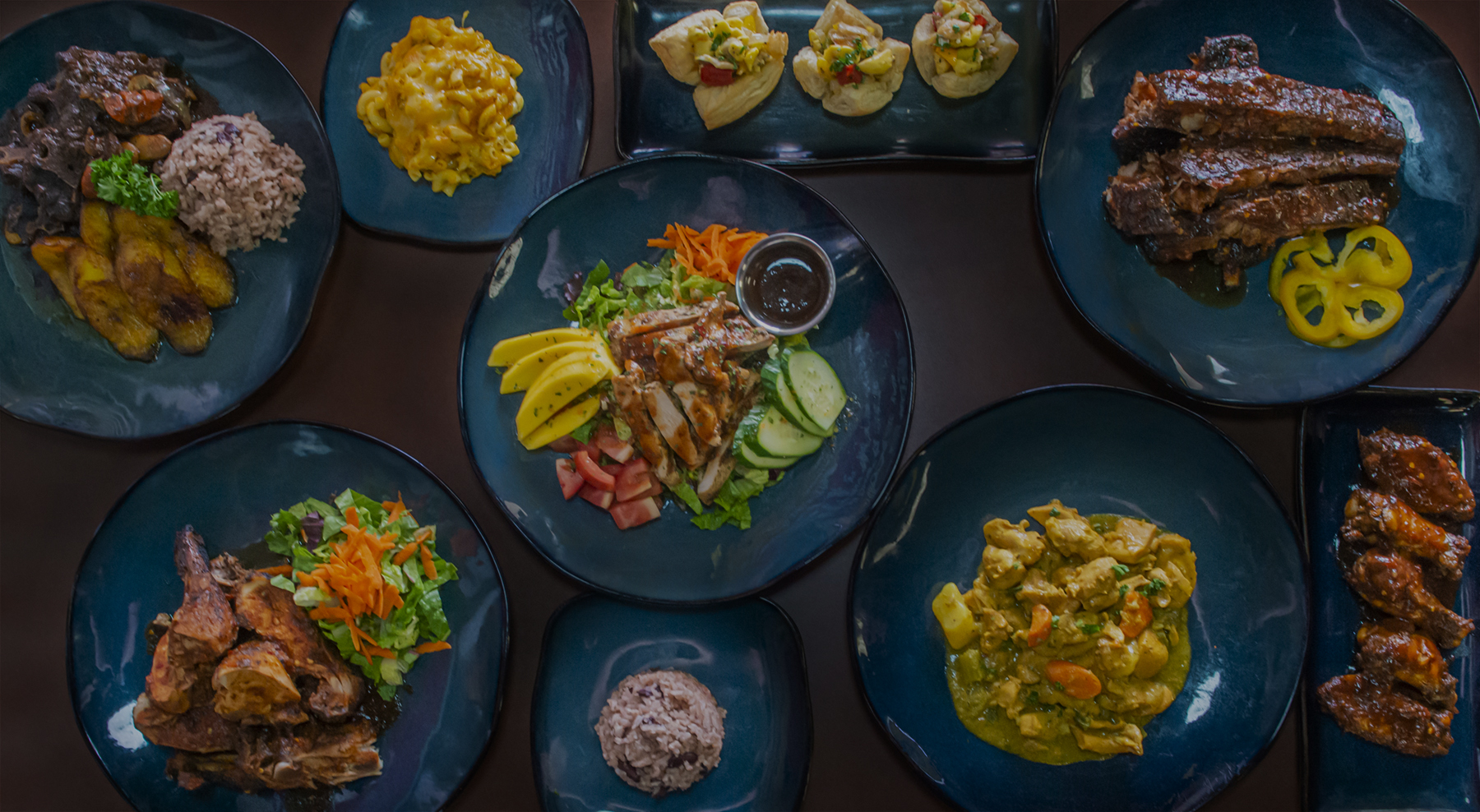
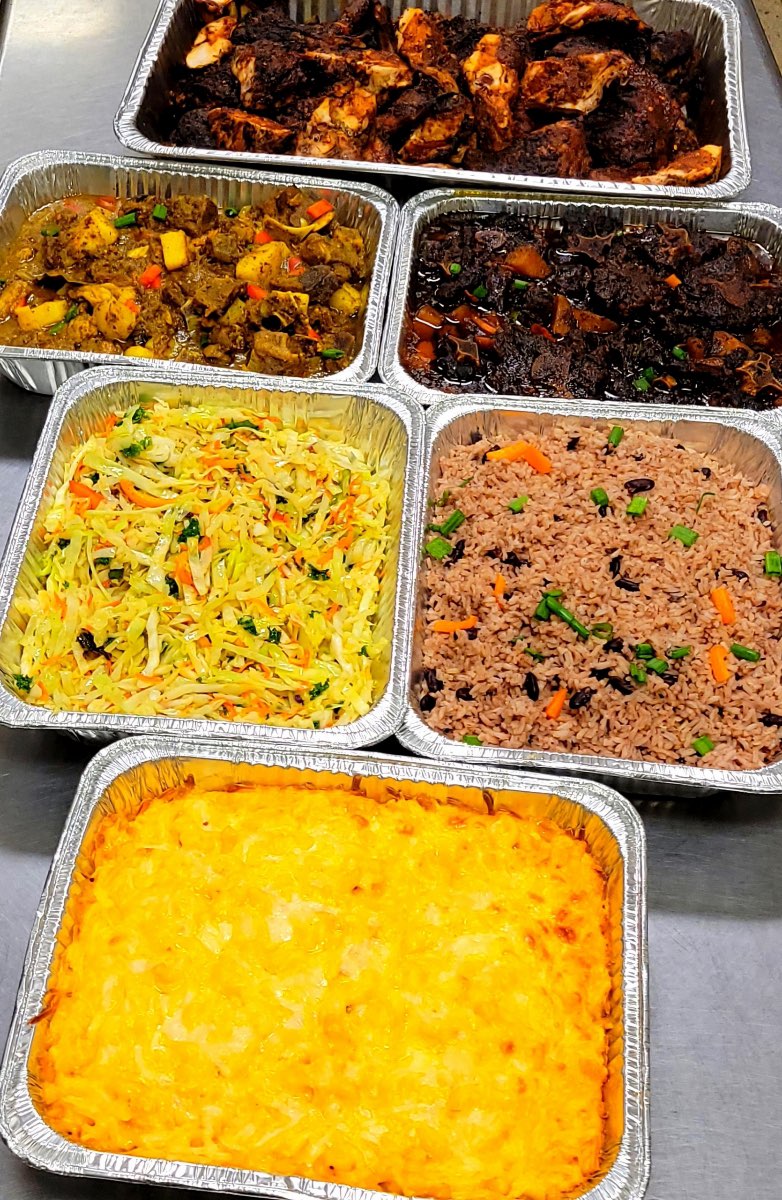
The first thing people often notice about real Jamaican food is its force. Not heat alone, though Scotch bonnet pepper certainly has a way of announcing itself. The deeper signature is contrast: smoke against sweetness, fire against earth, bright herbs against slow-cooked richness. A proper Jamaican meal rarely tastes flat. It moves. It opens with aroma, settles into spice, then leaves behind something savory and memorable that lingers long after the plate is cleared.
That distinctive character did not happen by accident. Jamaican cooking is shaped by history, geography, and necessity. It comes from African knowledge, Indigenous ingredients, European colonial influence, Indian and Chinese migration, and generations of cooks who learned how to make the most of what was available. You can taste all of that in a spoonful of rice and peas, in a strip of jerk pork pulled from a smoking grill, in a bowl of pepper pot soup on a rainy afternoon.
People sometimes reduce Jamaican food to a few export stars, usually jerk chicken and patties. Those dishes matter, but they are only part of the picture. The real signature of Jamaican cooking lies in the way flavor is built, layered, and balanced across everyday meals as much as celebration food.
Flavor starts before the first bite
If you have spent any time around a Jamaican kitchen, you know the food announces itself early. The smell of thyme bruised between fingers. Escallion chopped on a board. Garlic, onion, pimento, and Scotch bonnet worked into a marinade. Coconut milk warming in a pot. Browning caramelizing before stew chicken goes in. Even before the cooking begins in earnest, the food is already communicating its identity.
That matters because Jamaican cuisine is aromatic in a very deliberate way. The seasoning is not random, and it is not simply "spicy." A good cook knows what each ingredient contributes. Thyme gives lift and a green, almost resinous note. Pimento, known elsewhere as allspice, brings warmth that can read as clove, cinnamon, and pepper at once. Scotch bonnet is fruity when used correctly, not just sharp. Ginger adds heat of a different kind, one that rises in the nose rather than sitting only on the tongue. Browning deepens stews with a faint bittersweet backbone that, when done well, rounds the entire pot.
Many cuisines season strongly. What makes Jamaican food stand apart is how often those seasonings are asked to do more than one job. A jerk paste is not just a source of heat. It tenderizes, perfumes, colors, and preserves. Curry seasoning is not just added for flavor. It is "burned" briefly in oil by experienced cooks so the spices bloom properly and lose their raw edge. Coconut milk in rice and peas is not there only for richness. It carries the aroma of the herbs and softens the edge of the salt, pepper, and beans.
The role of pimento, thyme, and Scotch bonnet
Ask ten Jamaican cooks what makes the food taste Jamaican, and you will hear many answers. Ask them to cook without pimento, thyme, or Scotch bonnet, and you will start to understand which ingredients are foundational.
Pimento is one of the great signatures of the island. In jerk especially, it is irreplaceable. It gives a warm, woodsy sweetness that ties smoke and meat together. Ground allspice from a supermarket shelf can work in a pinch, but it rarely has the same vitality as fresh pimento berries crushed just before use. When the berries hit heat and smoke, they release a perfume that is central to authentic jerk flavor.
Thyme is equally important, though less dramatic. It appears everywhere, tucked into soups, stews, rice, curry, and fish dishes. It is the kind of herb that works in the background, but if you leave it out, the absence shows. Jamaican thyme use is assertive compared with many European styles. Sprigs are often left to infuse the pot, giving a deeper herbal identity rather than a decorative finish.
Scotch bonnet gets the most attention, sometimes for the wrong reason. Outsiders focus on its heat, but Jamaican cooks value its fruitiness. A Scotch bonnet has a floral, almost tropical aroma that no ordinary chili can replicate. The trick is control. In home kitchens, one whole pepper might go into a pot of soup, left mostly intact to scent the broth. Pierce it carelessly, and the dish can turn punishing. Leave it whole, and you get the perfume with manageable heat. That kind of judgment is part of what separates food that tastes Jamaican from food that merely uses Jamaican ingredients.
Jerk is more than a seasoning
Jerk is probably the most internationally recognized expression of Jamaican food, and also one of the most misunderstood. Too often it is reduced to a bottled sauce or a dry rub heavy on sugar. Real jerk is a method as much as a flavor profile. It begins with a paste or marinade built around Scotch bonnet, pimento, thyme, scallion, garlic, ginger, and often spices like nutmeg or cinnamon in small amounts. The meat, traditionally pork and now very commonly chicken, is seasoned generously and allowed time to absorb those flavors.
Then comes the fire. Authentic jerk gains much of its identity from smoke, often from pimento wood. That smoke is sweet, aromatic, and unmistakable. On the roadside in Jamaica, the jerk pan is its own world: metal drums or grills, a bed of coals, meat cooking slowly, smoke carrying spice into the air. There is often a sheet of corrugated metal or improvised cover to trap heat and smoke. The meat chars at the edges, stays juicy inside, and picks up a complexity that an oven cannot fully reproduce.
I have eaten jerk in polished restaurants and from roadside stands with plastic chairs and no printed menu. The best versions almost always share one trait: restraint with sweetness. When jerk is overloaded with brown sugar, it loses its tension. Good jerk should taste savory first, aromatic second, hot third, and sweet only at the margins. That balance is where many imitations go wrong.
Stew, curry, and the art of the pot
If jerk is the loudest ambassador, stewed and curried dishes are often the soul of the table. Brown stew chicken, curry goat, curry chicken, oxtail, and rundown each show a different side of Jamaican flavor building.
Brown stew chicken depends on browning, often homemade or store-bought, to create color and depth. The chicken is seasoned, sometimes fried lightly, then simmered with onion, sweet pepper, tomato, garlic, thyme, and spices until the gravy thickens and the meat softens. A good brown stew has body but should not feel heavy or sticky. The gravy should cling to rice without turning gluey. That sounds simple, but many cooks either under-reduce it and end up with watery sauce or overdo the browning and produce bitterness.
Curry goat is a benchmark dish because it rewards patience and punishes shortcuts. Goat needs time. A proper curry goat tastes rich and slightly gamy in the best sense, with spices fully integrated into the meat rather than sitting on top of it. The potatoes often added near the end are not filler when used well. They absorb the curry and help carry flavor across the plate. The key trade-off is time versus texture. Rush it, and the meat stays tight. Cook it too aggressively, and it dries before the connective tissue relaxes. Experienced cooks know the sweet spot usually comes from a steady simmer, not a hard boil.
Jamaican curry itself deserves attention. It is related to Indian curry traditions but has become its own thing over time. Turmeric-forward, earthy, and often more direct in flavor than some Indian regional blends, Jamaican curry works especially well with goat and chicken. Many home cooks "burn the curry" in oil at the start, which sounds harsh but simply means heating the powder in fat to wake up its flavors. Skip that step and the dish can taste chalky.
Then there is rundown, often made with mackerel in a reduced coconut sauce. It is a reminder that Jamaican food is not always about fiery heat or dark gravies. Rundown can be gentle, savory, and deeply comforting, with coconut milk cooked down until it thickens and coats the fish with a salty, aromatic richness.
Why side dishes matter so much
One of the easiest ways to misread Jamaican food is to treat the mains as the whole story. The supporting dishes are not afterthoughts. They create rhythm on the plate.
Rice and peas is the classic example. It is rarely made with green peas in the British or American sense. Usually it means rice cooked with kidney beans or gungo peas, coconut milk, thyme, scallion, garlic, and often a whole Scotch bonnet. When done properly, every grain is seasoned. The rice is not supposed to be plain starch sitting beside strongly flavored meat. It is an active participant, carrying fragrance and mellowing spice.
Festival serves a different role. Slightly sweet fried dough, often elongated, it is especially popular with jerk and fried fish. Its sweetness and soft interior balance salt, smoke, and pepper. Bammy, made from cassava, brings a denser, earthier note, particularly with escovitch fish. Fried plantain adds sweetness, but good plantain should still have character. It should be caramelized and soft, not limp and oily.
Callaloo is another dish that shows Jamaican food at its best. Whether served as a side or folded into breakfast, it brings mineral depth and a soft green counterpoint to saltfish, dumplings, or fried food. The seasoning is usually simple, but the result is distinctive because the vegetable itself has strong personality.
These side dishes are where balance happens. A plate of jerk without festival or bread, without something to absorb juices and temper heat, can feel one-note. A curry without rice and peas loses context. Jamaican meals are designed as combinations, not isolated components.
Breakfast tells you a lot about the cuisine
If you want to understand any food culture, pay attention to breakfast. Jamaican breakfast is hearty, practical, and full of flavor. Ackee and saltfish is the national dish for a reason. Ackee, when cooked properly, has a soft, buttery texture that surprises first-time eaters. Combined with flaked salted cod, onion, tomato, thyme, Scotch bonnet, and black pepper, it creates a dish that is rich without being heavy. Eaten with fried dumpling, boiled green banana, yam, or breadfruit, it feels complete in a way that a pastry never could.
There is also a certain honesty to Jamaican breakfast. It respects labor. Many traditional breakfasts were designed to carry people through physically demanding mornings. That is why you see provisions like yam, green banana, coco, and dumpling. These are not decorative starches. They are substantial foods with texture and purpose.
Porridge deserves mention too. Cornmeal porridge, peanut porridge, plantain porridge, and hominy corn porridge are all common in different homes. They are often sweetened and spiced with cinnamon and nutmeg, sometimes enriched with condensed milk. Good porridge is smooth, fragrant, and filling. https://angelogqwi558.swiftnestly.com/posts/jamaican-food-recipes-you-can-make-at-home Poor porridge turns pasty fast. Again, technique matters.
The sea, the hills, and the market basket
Jamaican food cannot be separated from the island itself. Coastal communities naturally developed strong fish traditions, while inland areas leaned more into meats, ground provisions, and produce shaped by local growing conditions. A market in Jamaica tells you a lot about the cuisine's backbone: yams in different sizes, breadfruit, dasheen, cho cho, callaloo, thyme, scallion, Scotch bonnet, mangoes when in season, and pimento in various forms.
Seasonality still matters more than many visitors realize. A mango in peak season tastes different, and that changes how people eat around it. A breadfruit roasted over open flame has a smoky sweetness that works with saltfish or simply with butter. Sorrel appears strongly around the holidays, often steeped with ginger and spices for a drink that tastes festive and unmistakably Caribbean.
Even meat preparations often reflect landscape and access. Jerk's origins are tied to preservation and cooking in the bush. Pepper pot soup makes sense in a place where greens, meat, root vegetables, and spice can all be brought together in one sustaining pot. Mannish water, with its assertive broth and reputation as a restorative, belongs to gatherings where nothing useful goes to waste.
Sweetness, acidity, and smoke
One reason Jamaican food remains so compelling is that it understands contrast. Sweetness appears, but usually in service of something else. Fried ripe plantain softens the salt of cod. Festival offsets the aggression of jerk. Coconut milk rounds curry and rice. Tamarind, lime, vinegar, and escovitch pickling liquid bring acidity that cuts fried foods and rich meats.
Escovitch fish is a good case study. A whole fried fish topped with a sharp dressing of vinegar, onion, carrot, pimento, and Scotch bonnet should taste lively, not merely sour. The fish itself must be seasoned properly and fried until the skin has structure. The pickled vegetables should still have some bite. Done well, the dish is a lesson in texture and temperature as much as flavor.
Smoke is another vital note, especially in jerk but not only there. Char from roasting breadfruit, the caramelized edges of chicken on a pan, even the toasted note from dumplings fried a little darker than usual, all contribute to the cuisine's depth. Jamaican food often tastes as though fire was involved, even when the final dish is moist or saucy.
What authenticity really means in Jamaican cooking
Authenticity is a slippery word, especially with a cuisine that travels well and adapts quickly. Jamaican families cook differently across parishes, income levels, and generations. One cook makes rice and peas with more coconut milk, another with less. One seasons heavily overnight, another cooks the same day. Some versions of soup are thicker, others clearer. These differences are normal.
Still, there are lines. If a dish loses the balance of aromatics, heat, herbal character, and depth that defines it, then it stops tasting recognizably Jamaican. A "jerk" chicken breast baked without smoke, pimento, or Scotch bonnet may be tasty on its own terms, but it is not delivering the signature taste people seek. A curry made without blooming the spices or seasoning the meat properly may still be edible, but it will miss the roundness and warmth expected from Jamaican food.
The same goes for overcompensation. Adding extreme heat to prove authenticity usually backfires. So does drowning dishes in sugar or thick sauces. Real Jamaican cooking is bold, but it is not careless. Strong flavors need discipline. That is the part many commercial versions miss.
The diaspora effect
Jamaican food abroad often reflects adaptation. In London, Toronto, New York, and Miami, cooks work with local supply chains, different customer expectations, and changing economics. Pimento wood may be hard to source. Fresh ackee may be unavailable, so canned ackee becomes standard. Goat prices fluctuate. Fish species change. These are practical realities.
Some adaptations work beautifully. Others flatten the cuisine. One common problem is standardization for speed. Large-volume takeout operations may over-sauce stews, under-season rice, or rely too heavily on salt. Another issue is ingredient substitution. Habanero can stand in for Scotch bonnet in a pinch because the flavor family is close, but generic chili flakes cannot. Dried thyme can function, but fresh thyme gives a brighter and more complete result. These are not snobbish distinctions. They change the final taste.
At its best, the diaspora has preserved Jamaican food while broadening its reach. Some of the finest patties I have eaten came from bakeries outside Jamaica run by people fiercely committed to technique. A proper patty crust should be flaky, lightly turmeric-colored, and sturdy enough to hold filling without turning dense. The filling should be savory, not greasy, and seasoned with restraint. That standard is achievable anywhere, but only if the cook respects the original logic of the dish.
The signature taste on one plate
If you wanted to explain the essence of Jamaican food to someone in a single meal, you could do worse than a plate of jerk chicken with rice and peas, fried plantain, and a spoonful of callaloo, followed by a sip of sorrel. On that plate you would taste the core principles of the cuisine: smoke, spice, herb, starch, sweetness, vegetal depth, and balance.
But the signature taste is not one recipe. It is a way of cooking that trusts seasoning, values patience, and understands contrast. It knows that thyme can steady a pot, that pimento can perfume smoke, that coconut can carry spice, that a whole Scotch bonnet can say more than a chopped one. It knows that a plate should satisfy hunger and memory at the same time.
That is why real Jamaican food stays with people. Not because it is trendy, and not because it is loud for the sake of being loud. It stays because the flavors are grounded, layered, and confident. You taste craft in it. You taste history in it. And when it is made well, you taste the island's defining gift to the table: food with depth, character, and absolutely no interest in being forgettable.
Reggae Pot Jamaican Grill
7562 S University Blvd C, Centennial, CO 80122
(303) 997-5623
FAQ About jamaican food
What is the best Jamaican food to try in Centennial?
The best choice depends on your preferences. Reggae Pot Jamaican Grill offers jerk chicken, curry goat, oxtail, and escovitch snapper, along with sides such as rice and peas and fried plantains. Ask the restaurant about current availability and spice levels before ordering.
Is Jamaican food very spicy in Centennial?
Heat varies by dish and preparation. Jerk dishes can be hot, while some stews and sides are milder. Tell the restaurant your preferred heat level and ask which options suit you.
What is typically on a Jamaican menu?
Common choices include jerk chicken, curries, oxtail, fish, patties, rice and peas, and plantains. Reggae Pot also lists ackee and saltfish and vegetable dishes. Menus and availability can change, so confirm your choices when ordering.