Jamaican Food Recipes That Celebrate Island Flavor
Jamaican food has a way of announcing itself before it reaches the table. You smell the scallion and thyme first, then the warm sweetness of allspice, then the unmistakable depth of Scotch bonnet pepper, whether it is used boldly or with restraint. The best Jamaican recipes do not chase heat for its own sake. They balance fire with smoke, sweetness with acid, and slow-cooked richness with bright, fresh herbs. That balance is what makes the cuisine so memorable, and so worth cooking at home.
People who are new to Jamaican food sometimes focus only on jerk, as if the entire island can be reduced to one seasoning style. Jerk matters, certainly, but it is only one part of a larger culinary language. Jamaican kitchens rely on a set of flavors that show up in different forms across stews, rice dishes, fried snacks, braises, porridges, and desserts. Coconut milk softens beans and pumpkin. Browning sauce brings color and slight bitterness to pot dishes. Fresh thyme, garlic, ginger, onion, and scallion build the aromatic backbone of countless meals. Saltfish, callaloo, breadfruit, green banana, plantain, and ackee all carry deep cultural weight as well as practical value.
A good Jamaican meal often feels generous without being showy. It is food built for family tables, road-side cookshops, Sunday gatherings, beach stops, and weeknight survival. Some dishes are celebratory and time-intensive. Others are humble, affordable, and deeply comforting. If you want to cook from the island with respect, it helps to understand not only what goes into the pot, but why certain combinations have endured.
What gives Jamaican cooking its identity
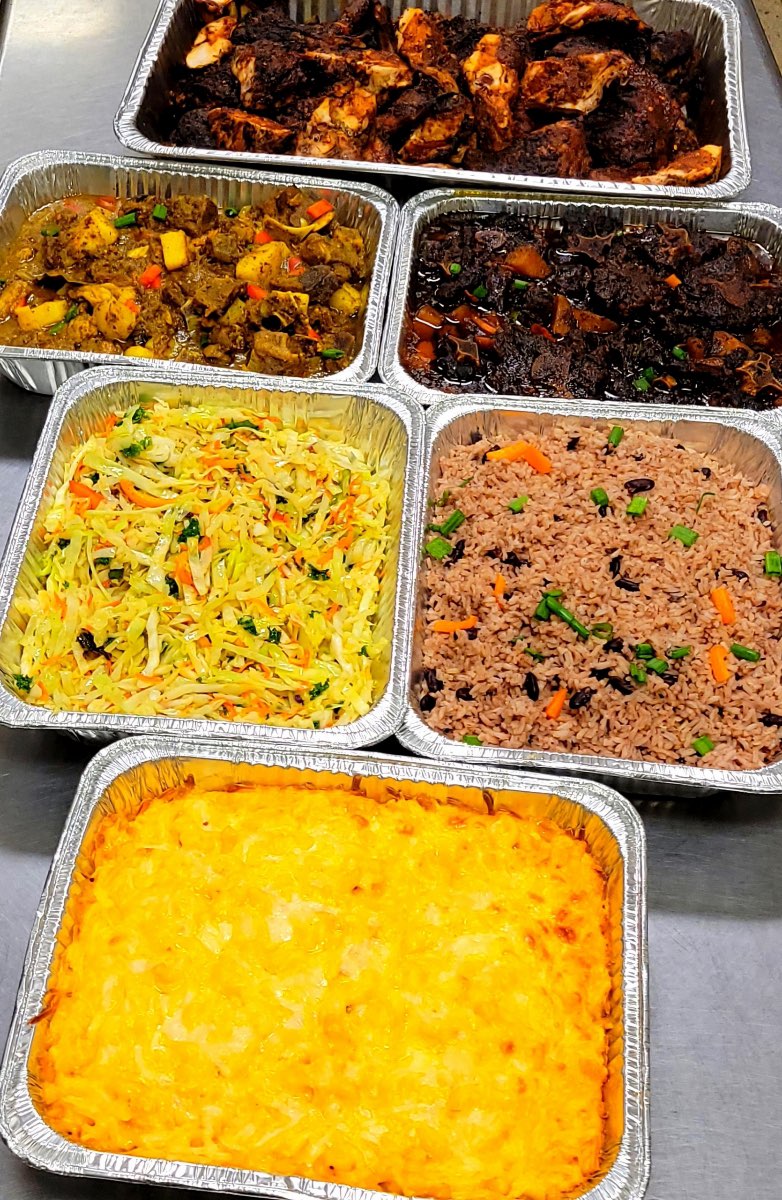
At its core, Jamaican cooking is shaped by movement, adaptation, and memory. Indigenous ingredients, African foodways, European colonial influence, Indian indentured labor, Chinese migration, and broader Caribbean exchange all left their imprint. That history is visible in everyday dishes. Curry goat reflects Indian seasoning traditions adapted through Jamaican taste. Fried dumplings and saltfish speak to practicality and preservation. Rice and peas, despite the name, is usually rice cooked with kidney beans or gungo peas, coconut milk, thyme, and scallion, and it remains one of the defining side dishes of the island.
The flavor profile is layered rather than complicated. A home cook does not need dozens of obscure ingredients. What matters is learning how the staples work together. Pimento, known elsewhere as allspice, is central. It contributes a warm note that suggests clove, cinnamon, and nutmeg at once. Scotch bonnet pepper is fruity as well as hot, and that fruitiness distinguishes it from peppers that deliver heat without character. Thyme, especially when used in whole sprigs, perfumes broths and stews without turning grassy. Browning adds depth to oxtail and brown stew chicken. Fresh lime helps wake up marinades and fried fish.
That combination of bold and familiar is why Jamaican food travels so well. Even when ingredients are adapted in diaspora kitchens, the spirit survives through seasoning, method, and instinct.
The pantry that makes Jamaican recipes taste right
If you cook Jamaican food more than once or twice, it is worth building a small pantry rather than buying ingredients recipe by recipe. A few essentials carry across many dishes and make weeknight cooking far easier.
- allspice berries or ground allspice
- dried thyme and fresh thyme
- scallion, onion, garlic, and ginger
- Scotch bonnet pepper or a close substitute, used carefully
- coconut milk, dried beans, and browning sauce
That short list does a lot of work. Add soy sauce, black pepper, nutmeg, cinnamon, vinegar, and a neutral oil, and you can make a convincing version of many home-style dishes. If Scotch bonnet is hard to find, habanero is the closest practical substitute, though its flavor is not quite the same. Use less than you think you need at first. In many Jamaican kitchens, a whole pepper is dropped into a pot to perfume the dish, then left intact so the heat remains controlled. That technique is useful for cooks who want the aroma without overwhelming spice.
Jerk chicken, when you want smoke, heat, and sweetness in one bite
Jerk chicken is the recipe many people associate most strongly with Jamaica, but there is a wide gap between rushed, oversweet supermarket jerk and the real thing. Authentic jerk is earthy, peppery, and aromatic. It should taste of pimento and thyme as much as heat. Traditionally, the meat is cooked slowly over pimento wood, often in repurposed steel drums, which gives it a deep, fragrant smoke that is difficult to duplicate exactly at home. Even so, a strong oven or grill version can be excellent if the marinade is handled properly.
The key is to let the seasoning do more than coat the surface. Blend scallion, thyme, garlic, ginger, onion, allspice, Scotch bonnet, soy sauce, salt, black pepper, a little brown sugar, and oil into a thick paste. Some cooks add cinnamon, nutmeg, lime juice, or vinegar. None of those additions are wrong if used with restraint. What you want is a paste that clings to chicken pieces, especially bone-in thighs and drumsticks, and has enough salt to penetrate overnight.
Marinating for at least 12 hours matters. Four hours will give you flavor on the outside. Overnight changes the meat. When cooked over charcoal, the sugars caramelize and the fat renders slowly, carrying spice into every bite. In the oven, start hot enough to brown the skin, then finish more gently so the meat stays juicy. A final minute or two under the broiler can help recreate the charred edges people expect.
Jerk sauce on the side can be tricky. If it is sweet and thick like barbecue sauce, it often fights the seasoning instead of supporting it. A thin finishing sauce with pan juices, a splash of vinegar, and extra jerk paste diluted to brushable consistency works better. Serve it with rice and peas, festival, or roasted sweet potatoes, and the meal begins to feel complete.
Brown stew chicken rewards patience, not complexity
If jerk is the extrovert, brown stew chicken is the steady favorite that earns repeat loyalty. It is one of the most reliable entries into Jamaican home cooking because it uses familiar ingredients, straightforward technique, and produces a pot of food that tastes even better the next day.
The process begins by seasoning the chicken with green seasoning, usually a blend of scallion, thyme, onion, garlic, black pepper, and often a little Scotch bonnet. After marinating, the chicken is lightly fried or seared until it develops color. Then the same pot builds the stew. Onions, bell pepper, carrots, tomatoes, and more seasoning are added, followed by water or stock and often a touch of browning sauce. The chicken simmers until tender and the gravy thickens.
What separates a flat stew from a memorable one is the browning stage. The sauce should be dark enough to suggest depth, but not burnt or bitter. Some cooks rely heavily on bottled browning. Others caramelize sugar in the pot before adding liquid. Both methods can work, but both can also go wrong quickly. Too much bottled browning makes the stew taste harsh. Burnt sugar tastes acrid and cannot be fixed. A measured hand is essential.
This is a dish where texture matters as much as seasoning. The onions should soften into the gravy. The peppers should retain just enough presence to brighten the rich sauce. The chicken should stay intact on the bone, not shred into the pot. Spoon it over white rice or rice and peas, and let the gravy do most of the talking.
Curry goat needs time, and there is no shortcut for that
Curry goat is one of the most beloved Jamaican celebration dishes, and it has a very specific kind of richness. The meat should be tender but not mushy. The sauce should be thick and clinging rather than soupy. The curry should be fragrant, not dusty. This is where patience matters more than technical difficulty.
The seasoning often includes Jamaican curry powder, garlic, ginger, thyme, scallion, onion, black pepper, and Scotch bonnet. Jamaican curry powder tends to be brighter and more turmeric-forward than some Indian blends, though brands vary. Many experienced cooks also “burn” or bloom the curry in hot oil before adding meat, which deepens flavor and rounds out any raw spice edge.
Goat is naturally leaner and more assertive in flavor than chicken, and that is part of its appeal. It also demands enough cooking time to break down connective tissue. Depending on the cut and the age of the animal, this can take anywhere from 90 minutes to well over two hours on the stovetop. A pressure cooker shortens the timeline dramatically and is common in practical home kitchens, but even then the curry needs a little uncovered time afterward to reduce and settle.
Potatoes are common in curry goat, and not just for filler. They absorb flavor and help thicken the sauce as their edges soften. The trade-off is timing. Add them too early and they dissolve completely. Add them too late and they stay chalky while the sauce is ready. The sweet spot is usually once the goat is mostly tender.
Ackee and saltfish, the national dish with delicate timing
Ackee and saltfish is one of the great dishes of the Caribbean, and also one of the easiest to mishandle. When done properly, it is savory, buttery, aromatic, and surprisingly gentle. Saltfish brings salinity and chew, while ackee contributes a soft, almost scrambled-egg-like texture with a mild richness that carries the seasonings.
Ackee itself requires respect. Fresh ackee must be fully ripened and naturally opened before use because unripe fruit is toxic. Outside Jamaica, most home cooks sensibly use canned ackee, which is safer and far more accessible. Even then, the fruit is delicate. Stir too aggressively and it breaks apart into mush.
The saltfish is usually soaked and simmered to remove excess salt, then flaked. In the pan, onion, scallion, tomato, thyme, Scotch bonnet, and sometimes sweet pepper are softened before the fish is added. Ackee goes in last and is folded through just long enough to warm and absorb flavor. This is not a long-cooking dish. It is a finishing dish, and the best versions feel light on the tongue despite their savoriness.
Serve it with fried dumplings, roasted breadfruit, boiled green banana, or festivals, and you have a breakfast or brunch with real character. It is one of those plates that teaches an important lesson about Jamaican food: intensity does not always come from heat. Sometimes it comes from contrast, from the meeting of preserved fish, sweet vegetables, and a fruit that asks for a gentle hand.
Rice and peas is not a side dish to take lightly
Many meals rise or fall on the quality of the rice and peas. It is easy to treat it as background, but anyone who has eaten a truly fragrant pot knows better. The rice should be separate but not dry. The beans should be tender but intact. Coconut milk should be present without turning the whole thing greasy or cloying. Thyme, scallion, garlic, and a whole Scotch bonnet should scent the pot without dominating it.
Kidney beans are common, particularly for Sunday dinner, while gungo peas appear when in season or when a particular family prefers them. Canned beans are acceptable in a pinch, but dried beans often produce a better texture and a cooking liquid that contributes flavor. If using canned coconut milk, shake the can well so the fat and liquid are integrated before adding it to the pot.
The ratio of liquid to rice is where experience shows. Too much coconut milk can make the grains heavy. Too little seasoning leaves the dish flat even if the main protein is excellent. Some cooks add a small piece of fresh ginger or a knob of butter, though these touches vary by household. The important thing is that rice and peas should be aromatic enough to eat on its own. If it only works under gravy, something was missed.
Escovitch fish shows the bright, sharp side of the island
Not every iconic Jamaican recipe is dark, stewed, or smoke-driven. Escovitch fish brings acid and crunch to the foreground. The fish, often snapper, is seasoned simply, fried until the skin is crisp, and then topped with a hot pickled mixture of vinegar, onion, carrots, bell pepper, and Scotch bonnet. The vegetables soften slightly but should retain bite.
This is a dish of contrast. Hot fish meets tart relish. Crisp skin meets juicy vegetables. The seasoning is spare compared with brown stew or jerk, which makes quality and timing more obvious. Overcrowd the pan and the fish steams instead of https://beautqqk767.theglensecret.com/a-food-lover-s-journey-through-jamaican-food-culture fries. Let the escovitch mixture cool too much and it loses some of its sharpness. Use weak vinegar and the dish tastes timid. A confident escovitch should wake up the palate.
At home, whole fish can intimidate people who are more comfortable with fillets. Still, the whole fish is worth learning because it protects the flesh during frying and carries flavor better. Have the fish cleaned and scored by the fishmonger, then season it in advance with salt, black pepper, and sometimes a little garlic. Dusting lightly with flour helps produce an even crust, though some cooks skip it.
Patty dough, flaky layers, and a filling that carries real spice
A Jamaican patty seems simple until you try to make one from scratch. Then you learn how much technique hides inside that bright yellow shell. The pastry should be flaky and sturdy enough to hold the filling, but not dry or thick. The filling, whether beef, chicken, shrimp, callaloo, or vegetable, should be moist enough to eat pleasantly but not so wet that it tears the dough.
Turmeric or curry powder gives the crust its signature color, though not every baker uses the same amount. Shortening, butter, or a mix of fats affects flakiness and flavor. The filling usually starts with onion, scallion, thyme, garlic, and Scotch bonnet, then moves into browned meat, breadcrumbs or a thickener, and enough stock to bind everything. A good beef patty has spice and savoriness in balance. It should not taste like generic mince inside pastry.
The edge case here is moisture. If the filling is too dry, the patty feels disappointing and dense. If it is too wet, the bottom softens and leaks. Resting the filling before assembly helps. So does chilling the shaped patties before baking. In Jamaican bakeries and takeout shops across the diaspora, patties are often paired with coco bread, which turns them into a practical, handheld meal with a soft, slightly sweet cushion around the pastry.
Side dishes and accompaniments that deserve attention
Part of the pleasure of Jamaican food is the way the supporting dishes complete the meal. Fried plantain contributes caramelized sweetness and a soft interior that plays beautifully against spicy mains. Festival, the slightly sweet fried dough often served with jerk or fried fish, offers contrast through texture as much as flavor. Boiled green banana, yam, and dumplings turn breakfast or brunch into a serious plate. Callaloo, cooked down with onion, tomato, thyme, and pepper, adds a leafy, mineral freshness to richer dishes.
These elements are not afterthoughts. They are part of the meal’s architecture. A plate of curry goat without rice or some starch to catch the sauce feels incomplete. Jerk chicken without a side that tempers the heat can tip out of balance. Escovitch fish without something mild nearby can become all sharpness. Jamaican cooks have long understood this interplay, and it is one reason island meals feel so satisfying. They are composed, even when they look casual.
Dessert, drinks, and the softer side of flavor
People who know Jamaican food only through savory dishes often miss how fragrant and comforting the sweet side can be. Rum cake, also called black cake in some contexts, is dense with soaked fruit and warming spice. Sweet potato pudding has a deep, earthy sweetness and a custard-like body. Cornmeal pudding carries vanilla, nutmeg, cinnamon, and coconut in a form that is humble but deeply satisfying. Gizzada, with its pinched pastry shell and coconut filling, delivers sweetness with texture.
Drinks matter too. Sorrel, especially around the holidays, combines hibiscus with ginger and often cloves, cinnamon, and rum. Irish moss has a very different texture and following. Ginger beer, when made properly, is punchy, fresh, and much sharper than many bottled versions. These drinks continue the same flavor logic seen across the cuisine: spice is not limited to heat, and sweetness is rarely one-dimensional.
Practical advice for cooking Jamaican recipes at home
The biggest mistake beginners make is assuming that more heat automatically means more authenticity. It does not. Heat should support flavor, not erase it. Another common mistake is underseasoning the core aromatics. Thyme, scallion, onion, garlic, and allspice are not background details. They are the flavor map. If a dish tastes flat, the answer is often not more salt alone, but stronger aromatic balance.
A few habits improve results quickly:
- marinate meats long enough for the seasoning to penetrate
- taste for salt before and after reduction, especially in stews
- keep Scotch bonnet whole when you want aroma with gentler heat
- let rice rest covered after cooking so the grains set properly
- cook gravies until they coat a spoon, not until they turn heavy
One more point deserves emphasis. Jamaican recipes often benefit from being cooked slightly ahead. Brown stew chicken, curry goat, and oxtail all taste fuller after resting because the spices settle and the fat redistributes. If you have ever noticed that Sunday dinner leftovers disappear fast on Monday, that is not an accident. Time is an ingredient in this cuisine.
Why these recipes keep drawing people back
The staying power of Jamaican food comes from more than bold seasoning. It comes from the way each dish feels rooted. Jerk chicken speaks to fire and preservation. Rice and peas speaks to home and routine. Ackee and saltfish speaks to adaptation and national identity. Patties speak to movement, portability, and urban life. Even a simple plate of fried plantain and callaloo carries a sense of place.
For cooks outside Jamaica, these recipes offer something valuable beyond novelty. They teach restraint alongside intensity. They show how a few ingredients, used with confidence, can produce remarkable depth. They reward patience, smell, touch, and common sense as much as exact measurement. That is one reason Jamaican food remains so beloved across generations and across borders.
When you cook these dishes well, the result is not just a spicy meal or a plate with tropical associations. It is food with structure, memory, and purpose. The island flavor people talk about is real, but it is not vague. It comes from pimento smoke, coconut richness, thyme in the pot, pepper used with judgment, and recipes shaped by many hands over many years. That is what makes Jamaican food worth returning to, again and again.
Reggae Pot Jamaican Grill
7562 S University Blvd C, Centennial, CO 80122
(303) 997-5623
FAQ About jamaican food
What is the best Jamaican food to try in Centennial?
The best choice depends on your preferences. Reggae Pot Jamaican Grill offers jerk chicken, curry goat, oxtail, and escovitch snapper, along with sides such as rice and peas and fried plantains. Ask the restaurant about current availability and spice levels before ordering.
Is Jamaican food very spicy in Centennial?
Heat varies by dish and preparation. Jerk dishes can be hot, while some stews and sides are milder. Tell the restaurant your preferred heat level and ask which options suit you.
What is typically on a Jamaican menu?
Common choices include jerk chicken, curries, oxtail, fish, patties, rice and peas, and plantains. Reggae Pot also lists ackee and saltfish and vegetable dishes. Menus and availability can change, so confirm your choices when ordering.